
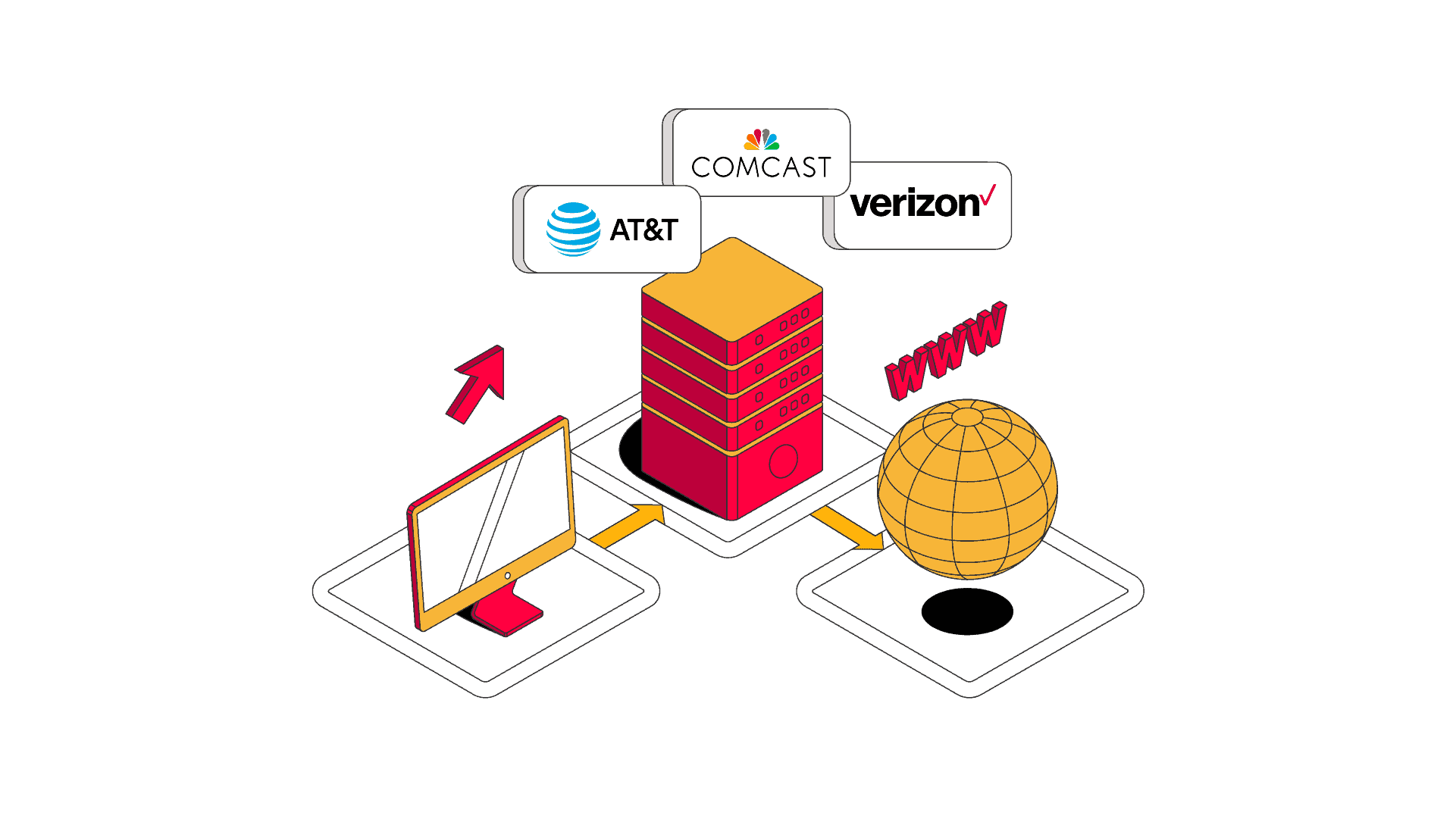
The Future of Rotating Residential Proxy Networks
The future of rotating residential proxy networks is poised to transform the landscape of internet connectivity, privacy, and data access. As digital ecosystems expand and the demand for anonymous browsing increases, these networks offer a sophisticated solution by routing user requests through a pool of residential IP addresses that change dynamically. This rotation not only enhances user anonymity but also mitigates risks associated with IP blocking and throttling, making it an invaluable tool for businesses and individuals alike.
One significant driver behind the evolution of rotating residential proxy networks is the growing emphasis on online privacy. With increasing awareness about data security and surveillance, users are seeking methods to shield their online activities from trackers and potential cyber threats. Rotating proxies provide a layer of obfuscation by frequently changing IP addresses drawn from real residential devices worldwide. Unlike datacenter proxies that use static or limited IP ranges, these proxies mimic genuine user traffic more effectively, reducing detection rates by websites employing anti-bot measures.
Moreover, the proliferation of automation tools in sectors such as e-commerce, marketing intelligence, social media management, and web scraping necessitates reliable access to diverse IP pools. rotating residential proxy networks enable seamless data extraction without triggering CAPTCHAs or bans due to repeated requests from a single address. As artificial intelligence continues to advance automation capabilities, integrating smarter proxy rotation algorithms will be crucial in maintaining efficiency while preserving network integrity.
Technological advancements will further refine how these networks operate. Enhanced machine learning models can predict optimal rotation intervals based on website behavior patterns or regional restrictions. Additionally, blockchain technology may introduce decentralized frameworks for proxy sharing that ensure transparency and incentivize participation without compromising security. Such innovations could democratize access to high-quality proxies while addressing ethical concerns related to consent from device owners whose connections are utilized.
Challenges persist in scaling these networks sustainably while adhering to legal regulations across jurisdictions. Ensuring that participating devices are used ethically-without infringing on users’ rights or exposing them to vulnerabilities-is paramount. Future developments will likely involve stricter compliance protocols combined with advanced encryption techniques safeguarding both end-users and network participants.
In conclusion, rotating residential proxy networks represent an evolving frontier in internet infrastructure that balances accessibility with anonymity. Their future hinges on integrating cutting-edge technologies alongside responsible governance frameworks capable of adapting to shifting digital norms globally. As demands for secure yet flexible connectivity grow exponentially across industries and personal use cases alike, these dynamic systems stand ready to redefine how we navigate the interconnected world online.