
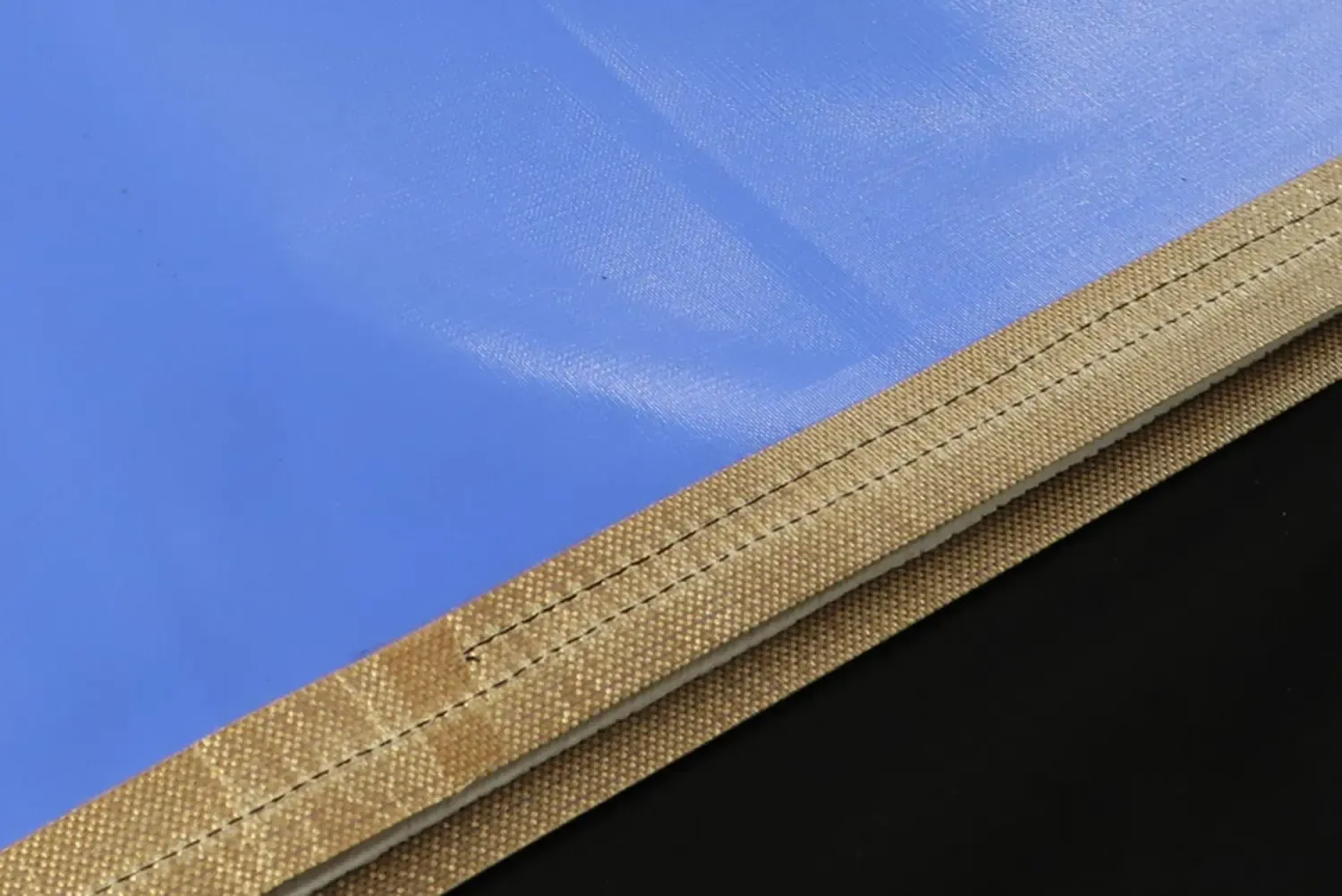
Why Upgrade to Advanced PTFE Belts from EDER Today
Upgrading to advanced PTFE belts from EDER is a strategic decision that can significantly enhance the efficiency and productivity of various industrial processes. Polytetrafluoroethylene (PTFE) belts are renowned for their unique properties, including high heat resistance, non-stick surface, and exceptional durability. These characteristics make them indispensable in industries ranging from food processing to textiles and packaging.
One of the primary reasons to upgrade to advanced PTFE belts from EDER is their superior thermal stability. These belts can withstand extreme temperatures without compromising their structural integrity or performance. This makes them ideal for applications involving high-temperature environments, such as baking ovens or heat-sealing machines. By maintaining consistent performance under such conditions, these belts help ensure uninterrupted operations and reduce downtime caused by belt failure.
The non-stick surface of PTFE belts from EDER is another compelling reason for upgrading. In industries where product adherence to conveyor surfaces can lead to inefficiencies or contamination, these belts offer an effective solution. Their low friction coefficient ensures that products move smoothly along the production line without sticking, thus improving throughput and reducing waste.
Durability is a hallmark of EDER’s advanced PTFE belts. Constructed with robust materials designed to endure harsh operational environments, these belts exhibit excellent wear resistance even when subjected to abrasive materials or repeated mechanical stress. This longevity translates into cost savings over time as businesses spend less on frequent replacements and maintenance interventions.
Moreover, upgrading to EDER’s advanced PTFE belts supports compliance with stringent industry standards regarding safety and hygiene—particularly crucial in sectors like food processing where contamination risks must be minimized at all costs. The chemical inertness of PTFE ensures that it does not react with substances it comes into contact with during operation; this property helps maintain product purity while also facilitating easy cleaning procedures post-production runs.